

Debunking the most famous gambling myths what you really need to know
Debunking the most famous gambling myths what you really need to know
The Gambler’s Fallacy Explained
The gambler’s fallacy is one of the most common misconceptions in gambling. It suggests that past events can influence the outcome of future events in games of chance, such as slot machines or roulette. For example, if a roulette wheel has landed on red several times in a row, players may believe that black is due to come up next. In reality, each spin is an independent event governed by probability, meaning that previous outcomes have no bearing on future results. Engaging in activities like playing poker online can lead to better understanding, especially when you consider the best online poker sites for real money that are available.
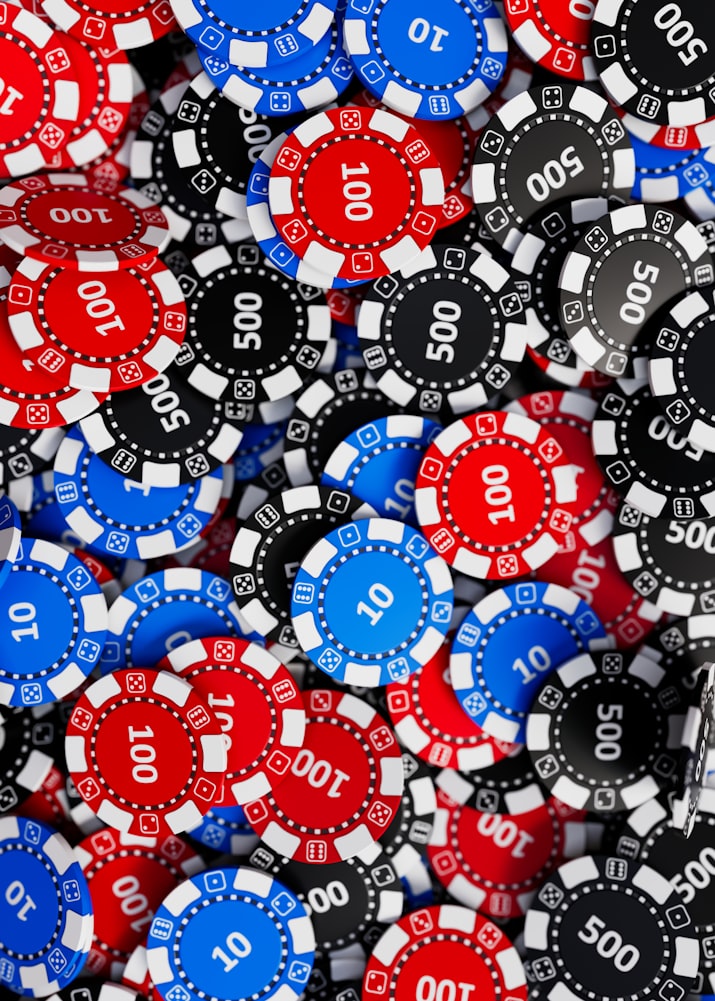
This fallacy can lead to poor betting strategies and significant losses, as players may chase their losses based on faulty logic. Understanding that each game operates under the same odds each time is crucial for making informed decisions while gambling.
Hot and Cold Streaks: A Misunderstanding
Many gamblers believe in the concept of “hot” and “cold” streaks, thinking that a particular machine or table is on a winning or losing streak. This belief often leads players to gravitate toward specific games that seem to be paying out more frequently. However, the reality is that these are mere perceptions, not grounded in statistical fact. The odds remain constant regardless of previous outcomes.
Such beliefs can result in misguided betting patterns, where players may unnecessarily abandon games they perceive as “cold,” missing out on potential wins. Understanding that streaks are random can help players develop a more rational approach to gambling.
The Illusion of Control
Many gamblers think they can control the outcome of games through strategies or personal rituals, believing that their choices will affect their success. This illusion of control can lead to obsessive behaviors, where players feel compelled to engage in specific actions before or during gameplay. However, games like poker, blackjack, and slots are designed to be random, relying heavily on chance rather than skill or strategy.
Recognizing that the outcome is not influenced by player behavior is essential. While skill can play a role in games like poker, the inherent randomness of most gambling activities means that ultimately, players must accept that they have little control over the outcome.
The Myth of the Lucky Charm
Another prevalent myth is the belief that certain objects or rituals can bring good luck. Many players carry talismans or engage in specific behaviors, convinced that these lucky charms will enhance their chances of winning. However, luck is inherently unpredictable and does not respond to external influences. The outcomes of games are determined by chance, and relying on superstitions can often cloud judgment.
While it can be fun to believe in lucky rituals, they do not alter the probability of winning. Gamblers should focus more on responsible gaming and understanding the odds rather than placing faith in unproven charms or practices.
Learn More About Gambling Myths on Our Website
Our website is dedicated to educating players about the realities of gambling and dispelling common myths. We offer insights into the science behind games of chance and tips for making informed decisions. Understanding the truth behind these myths can help create a healthier and more enjoyable gambling experience.
Explore our resources to enhance your knowledge and approach gambling with clarity and confidence. We aim to provide accurate information that promotes responsible gaming and encourages a better understanding of the gambling world.








Leave a Comment